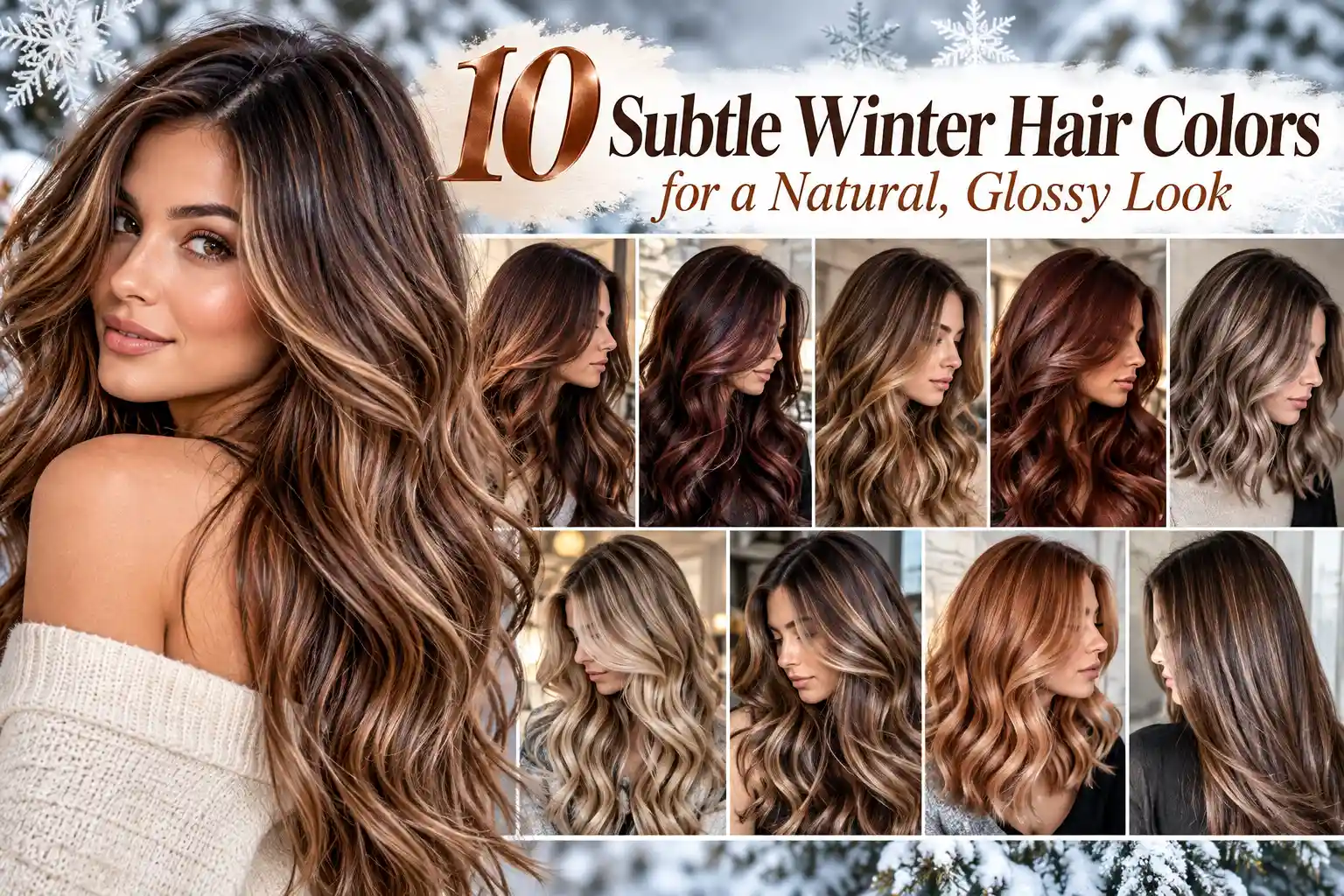
Winter is a wonderful time to refresh your hair color without making a dramatic change. Rich brunette shades, soft caramel highlights, muted copper tones, and delicate blonde ribbons can add warmth and dimension while keeping your hair looking natural. The best part is that subtle color can make a noticeable difference without completely changing your overall appearance.
If you want a fresh seasonal look that feels elegant and wearable, these 10 subtle winter hair color ideas offer plenty of inspiration. From glossy mocha balayage to soft beige blonde, each option brings a different combination of depth, warmth, and shine.
Whether your natural hair is dark brown, medium brown, or dark blonde, you can use these ideas as inspiration for your next salon appointment.
1. Soft Mocha Balayage
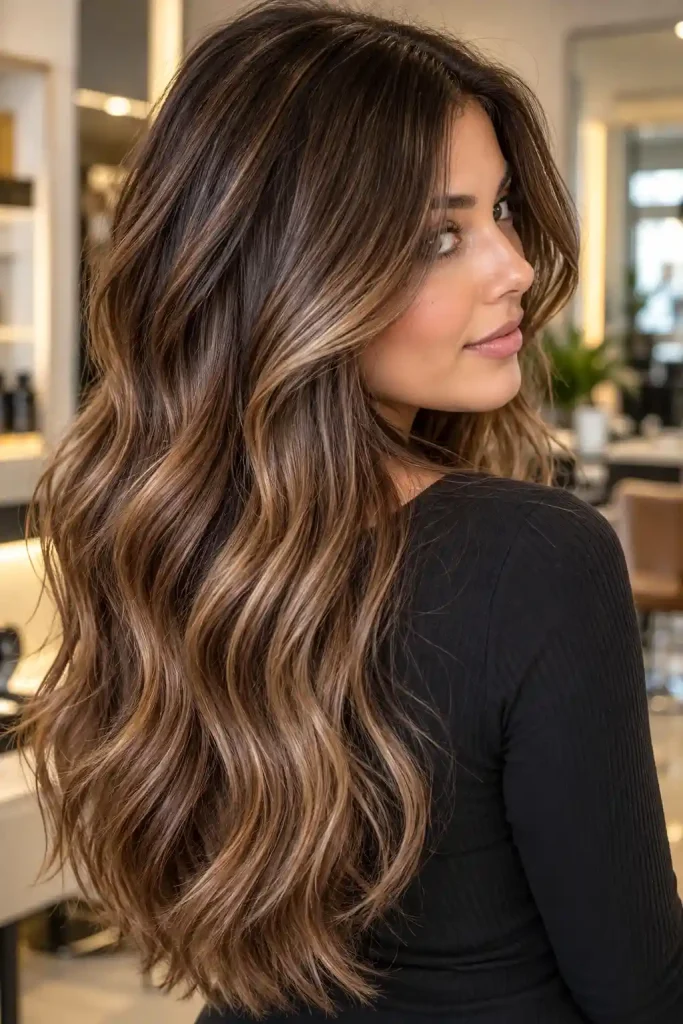
Mocha balayage is an excellent choice if you want to brighten brunette hair without losing its rich, natural-looking depth. This technique combines a brown base with softly blended mocha tones, creating a dimensional finish that looks beautiful in loose waves, curls, or straight hair.
The secret to this look is the gentle transition between the base color and the lighter pieces. Instead of noticeable stripes, the color appears to melt through the mid-lengths and ends. This creates movement and helps the hair look fuller and more textured.
Mocha balayage works particularly well on medium and dark brown hair. You can ask your stylist for neutral mocha ribbons that are only a few shades lighter than your natural color for an understated result.
Styling tip: Loose waves help reveal the different tones throughout the hair. A smooth blowout, meanwhile, creates a polished, glossy finish.
Maintenance: Because the lighter color is blended into the base, regrowth can be less noticeable than with traditional highlights. The amount of upkeep still depends on how much lightening is required and your desired result.
2. Glossy Espresso with Cinnamon Ribbons
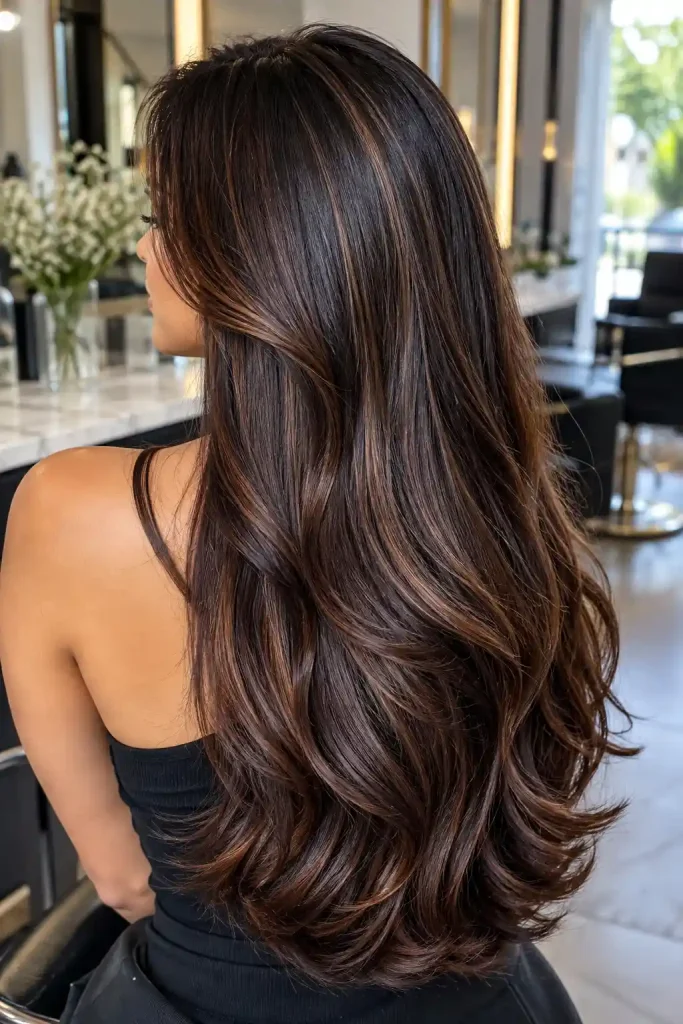
If you prefer dark hair, glossy espresso with cinnamon ribbons offers a beautiful way to introduce subtle warmth. The base remains deep brown, while delicate cinnamon-toned pieces catch the light around selected sections of the hair.
Unlike a high-contrast highlight technique, this look keeps the overall appearance dark and sophisticated. The warmer strands become more visible in sunlight or under bright indoor lighting, adding dimension without overpowering the natural base.
This color combination is especially appealing if you want to experiment with warmer tones but are not ready for caramel or blonde highlights. It can also be adapted for different hair lengths, from a sleek shoulder-length cut to long, layered hair.
Styling tip: Wear the hair in soft waves to reveal the cinnamon ribbons. If you prefer straight hair, a smooth finish can make the espresso base look especially sleek.
Maintenance: Ask your stylist how much lightening is needed to achieve the cinnamon shade. Keeping the ribbons close to your natural color may make the overall look easier to maintain.
3. Chocolate Brown with Fine Caramel Highlights
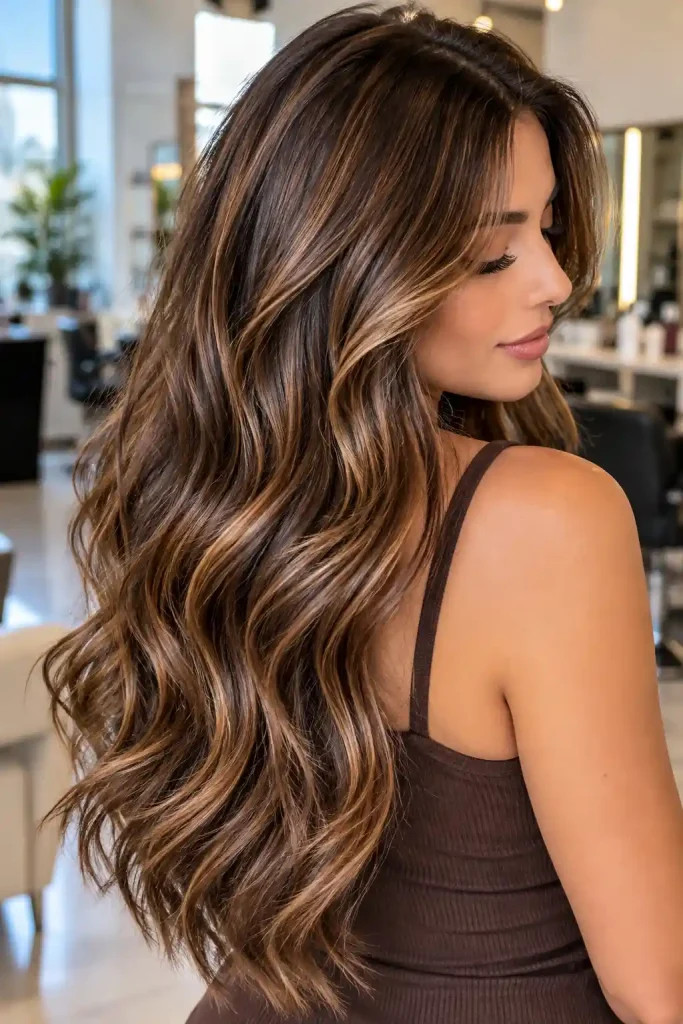
Chocolate brown hair with fine caramel highlights is a classic option for anyone who wants a little extra brightness during winter. The chocolate base creates richness, while the caramel pieces introduce a gentle contrast that adds movement around the face and through the lengths.
The placement makes a significant difference. Fine highlights scattered through the mid-lengths and ends tend to create a softer result than thick, sharply defined streaks. A few carefully placed pieces around the face can also brighten the overall appearance without requiring a full head of highlights.
This combination works well for people who enjoy warm, dimensional brunette hair. The caramel tones can be adjusted to suit the starting shade, ranging from subtle golden brown to a slightly lighter honey-caramel finish.
Styling tip: Long layers and loose curls help show the contrast between the chocolate base and caramel accents. For an everyday look, a simple blowout is enough to highlight the color.
Maintenance: Caramel highlights require lightening when the starting hair is darker than the desired result. Ask your colorist about the appropriate aftercare and whether a toner or gloss will help maintain the finish.
4. Subtle Cherry Cola Brunette
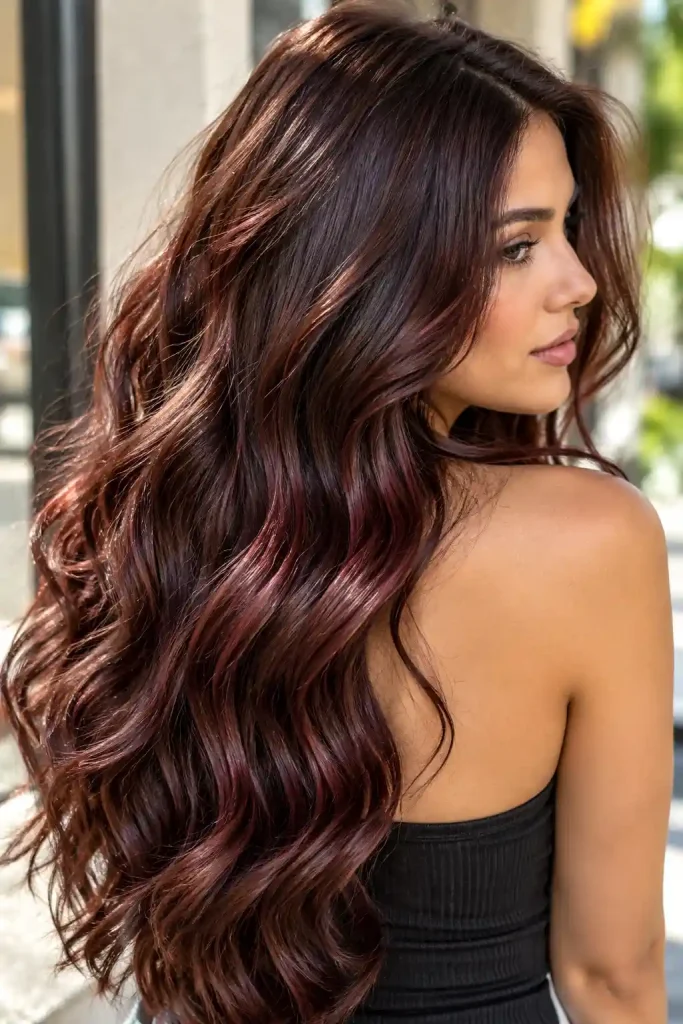
Cherry cola brunette is a striking choice for winter, particularly if you want to experiment with red tones while keeping your hair predominantly brown. The shade combines a deep brunette base with subtle burgundy or cherry-red undertones.
For a more understated version, choose a dark brown base with a restrained red reflection instead of vivid red highlights. The result can look almost like classic brunette hair indoors, with the cherry tones becoming more noticeable under brighter lighting.
This color is a good option for people who enjoy rich, moody shades but do not want a bright copper or vibrant red transformation. It also works well with shoulder-length cuts, long layers, and softly curled hairstyles.
Styling tip: Glossy waves can reveal the red undertones as the hair moves. A center part and smooth finish create a more modern, minimal look.
Maintenance: Red pigments may fade or change in appearance over time, depending on the coloring process and your hair’s condition. Ask your stylist about color-safe care and the best way to refresh the shade.
5. Soft Chestnut Brown
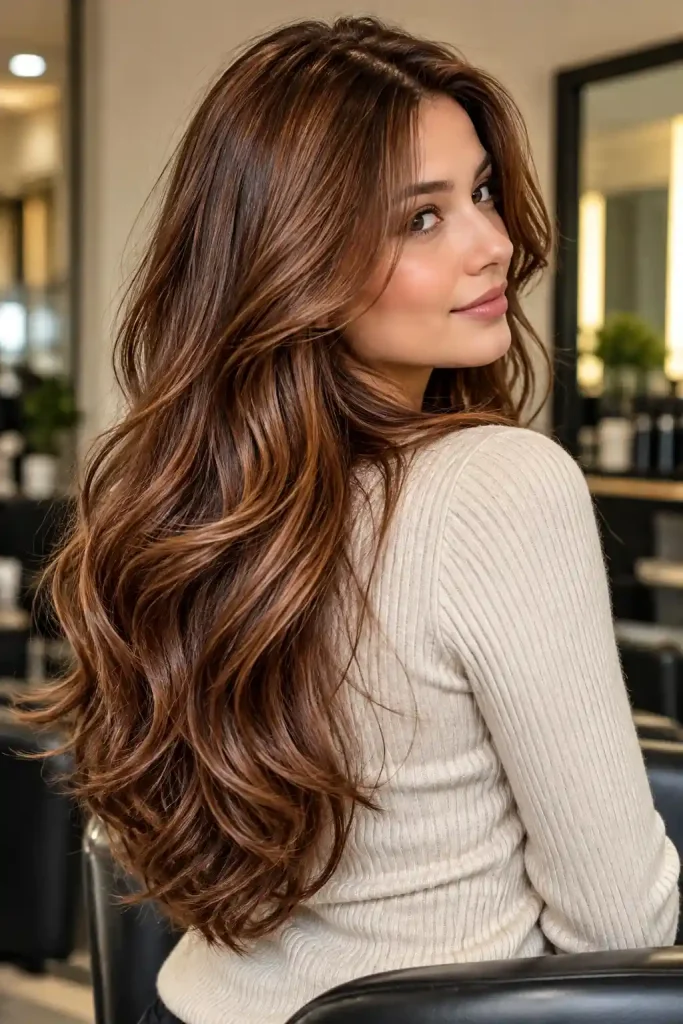
Soft chestnut brown is ideal if you want a natural-looking winter hair color with a little more warmth than a neutral brown. It combines brown tones with gentle reddish-golden undertones, creating a rich finish without the need for obvious highlights.
Unlike a strongly red-brown shade, chestnut can remain relatively understated. The warmth adds character to the base color, while an even application creates a smooth, cohesive appearance.
This option is versatile because it can be adapted to different starting shades. A medium brunette can choose a slightly richer chestnut, while someone with lighter brown hair may prefer a softer golden-chestnut result.
Chestnut brown is also a useful choice if you do not want the visual complexity of balayage. The color itself provides warmth and depth, so you can keep the overall finish simple.
Styling tip: Soft curls and long layers show off the richness of chestnut brown. A sleek hairstyle works equally well if you prefer a more understated finish.
Maintenance: Depending on the coloring technique, a chestnut shade may need periodic refreshing to maintain its preferred warmth. Discuss how the color will fade against your natural base before making a decision.
6. Mushroom Brown with Taupe Dimension
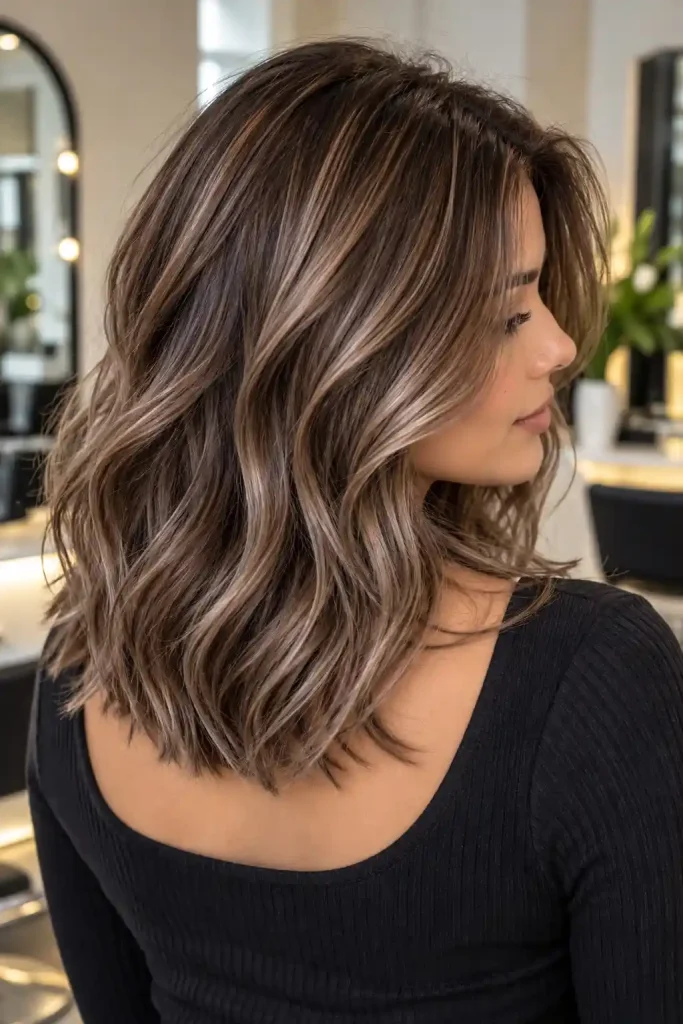
Mushroom brown is a beautiful alternative for anyone who prefers cool, muted hair colors. Rather than relying on golden or caramel warmth, this shade combines brown with taupe, beige, and subdued ash-like tones.
The result is soft and understated, making it a good option for people who want dimension without a warm, sunlit effect. Fine tonal variations can help prevent the color from looking flat, particularly when paired with layers or natural waves.
Mushroom brown can be especially appealing during winter because it complements neutral styling and muted clothing colors. However, the final result depends on your starting color and underlying warmth. Some hair may require careful toning or lightening to achieve a cool, balanced finish.
Styling tip: Loose waves reveal the subtle differences between taupe and brown. A textured lob or layered medium-length cut can also showcase the color beautifully.
Maintenance: Cool-toned colors may need occasional toning, depending on your hair and the products used. Ask your colorist how to maintain the shade without over-toning it.
7. Soft Beige Blonde Babylights
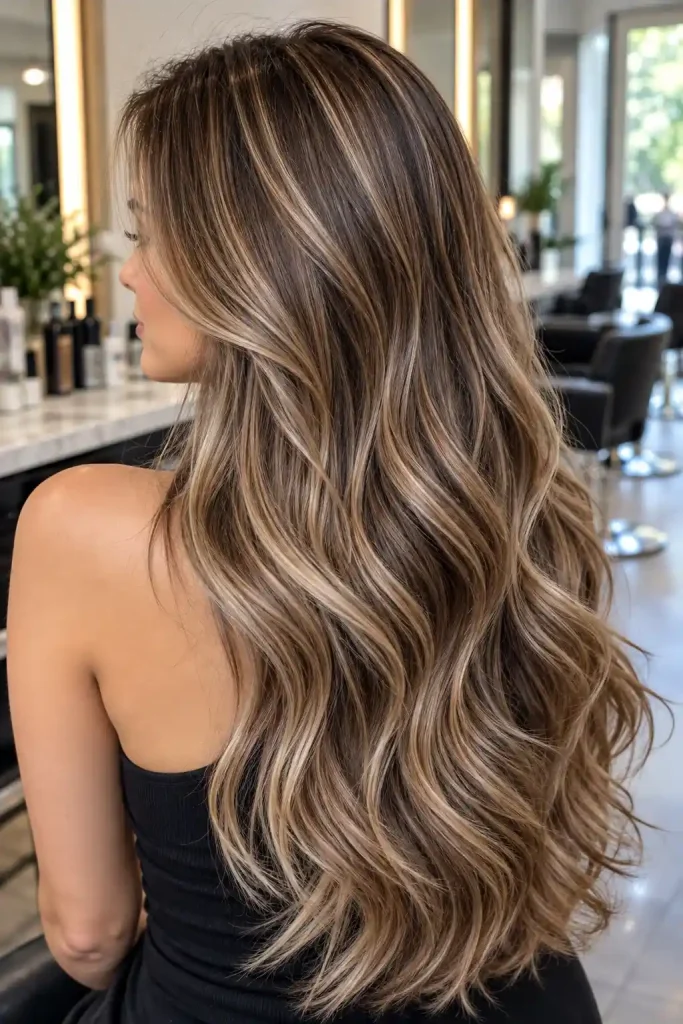
You do not need to choose an icy platinum shade to enjoy blonde hair during winter. Soft beige blonde babylights offer a gentler alternative, using fine highlights to introduce delicate lightness while keeping the overall result natural-looking.
Babylights are very fine highlights placed throughout the hair. When blended carefully, they can create a soft, multidimensional effect rather than obvious streaks. Beige tones add a neutral quality that can look less golden than honey blonde and less icy than platinum.
This style is particularly suitable for people with dark blonde or lighter brown starting hair who want a subtle blonde refresh. It can also work on previously highlighted hair when the colorist can safely incorporate the new tones.
Styling tip: A smooth blowout emphasizes the delicate color variation, while soft curls create more visible dimension. Face-framing babylights can be an option if you want a little extra brightness near the front.
Maintenance: Blonde highlights may require toning and careful conditioning. The frequency of salon visits depends on the amount of lightening, your natural roots, and how cool or neutral you want the blonde to remain.
8. Soft Bronde with Honey-Beige Ribbons
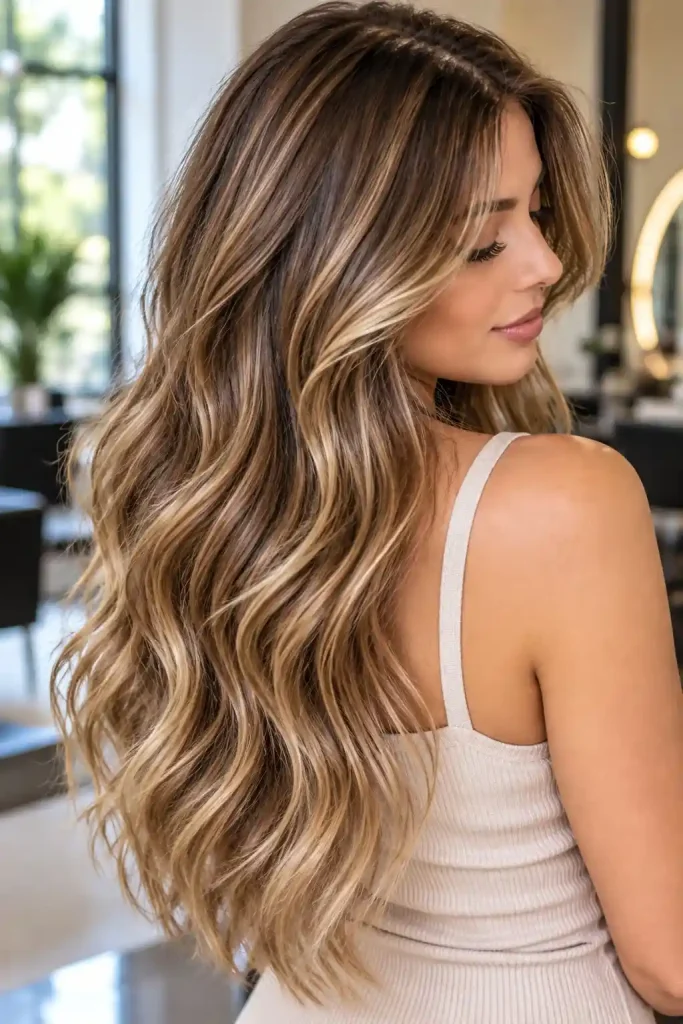
Bronde sits between brunette and blonde, making it a useful choice if you cannot decide between keeping your hair brown and adding lighter pieces. A soft bronde look combines a brown base with honey-beige ribbons that create a balanced mixture of warmth and lightness.
For winter, the key is to keep the lighter pieces blended rather than overly bright. Concentrating the ribbons through the mid-lengths and ends can preserve depth near the roots while adding movement throughout the hairstyle.
This color works well for people who want a visible refresh without transitioning to an all-over blonde. The balance can be adjusted according to your natural color: darker bronde retains more brunette depth, while lighter bronde has a stronger blonde influence.
Styling tip: Long layers and loose waves help the honey-beige pieces stand out. If you prefer straight hair, ask your stylist for a blend that looks smooth and natural when the hair is worn flat.
Maintenance: A blended root area may make regrowth less obvious, although lighter pieces still need appropriate care. Ask your stylist whether a partial highlight appointment or gloss refresh would suit your desired result.
9. Muted Copper Blonde
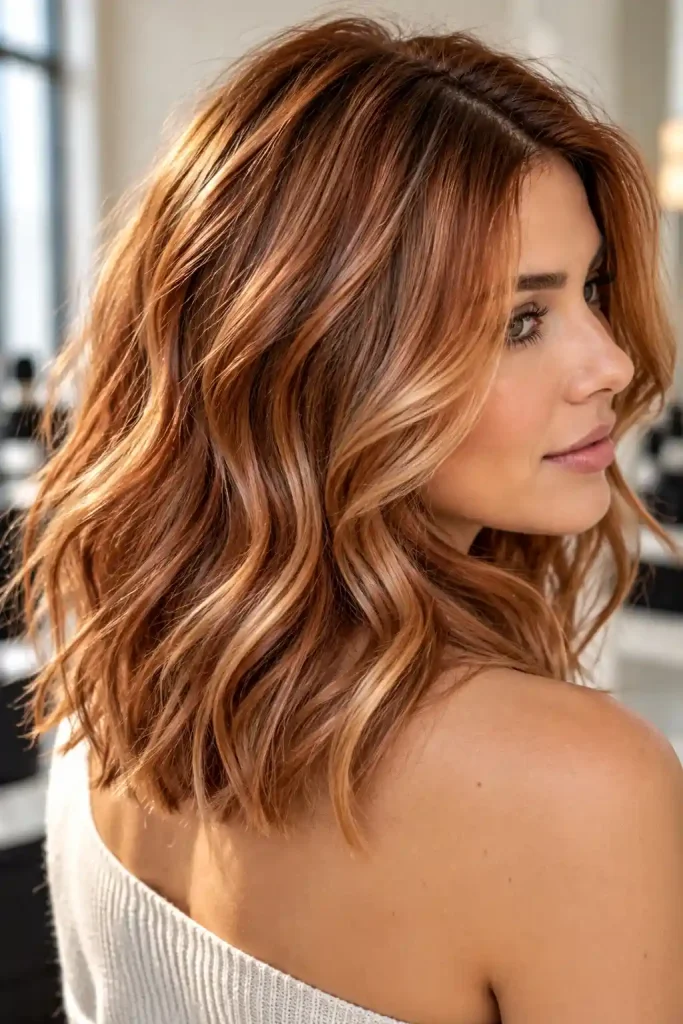
Muted copper blonde is a lovely option if you want to introduce warmth without committing to a vivid copper or bright red. It combines a blonde or dark-blonde base with restrained copper tones, creating a soft color that can look warm and natural.
The most understated version uses a muted copper finish rather than a strong orange-red shade. Depending on your starting color, your stylist may recommend an all-over tonal change, carefully placed highlights, or a combination of techniques.
This shade offers a different direction from the brunette-focused options in this list. It is particularly appealing if your current hair is dark blonde, light brown, or already contains warm highlights.
Styling tip: Loose waves show the variation between the blonde and copper tones. A shoulder-length layered cut can also create movement without requiring elaborate styling.
Maintenance: Copper tones can change as the color fades, so it is worth discussing how often the shade may need refreshing. Your stylist can recommend a suitable color-care routine based on your hair’s condition and the coloring method used.
10. Winter Vanilla Mocha Gloss
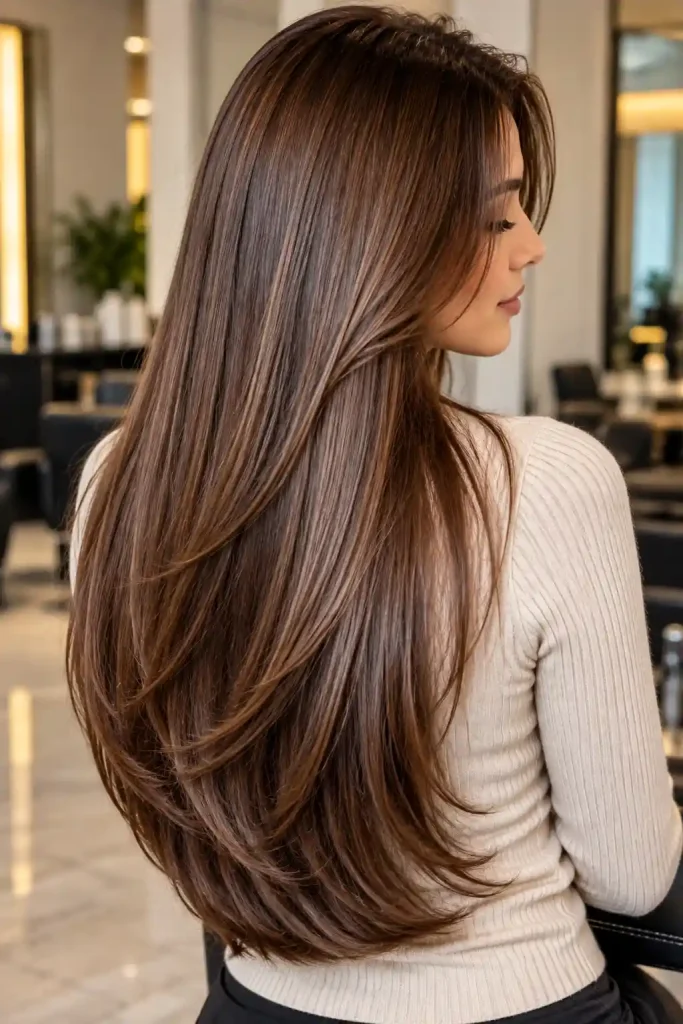
Winter vanilla mocha gloss is a subtle option for anyone who loves rich brown hair but does not necessarily want visible highlights. The look focuses on a deep mocha-brown base, gentle tonal warmth, and a reflective finish.
Unlike balayage, which relies on strategically placed lighter sections, this style is primarily about the overall tone and appearance of the hair. A gloss or toner may help refine the color and enhance its visual shine, depending on your starting shade and the product used.
The final result should feel rich and polished rather than dramatically different. It is a good option if you prefer a cohesive brunette appearance and want to refresh your existing color without introducing several contrasting shades.
Styling tip: Wear your hair straight or in soft, brushed-out waves to emphasize the glossy finish. A simple center part can make the look feel modern and effortless.
Maintenance: A gloss may gradually fade, and the frequency of refreshing it depends on the product, your hair, and your preferred result. Ask your stylist whether a gloss alone is sufficient or whether a color adjustment is needed first.
How to Choose the Best Subtle Winter Hair Color
With ten different shades to consider, start by deciding whether you want to add warmth, create cooler dimension, introduce a hint of red, or simply refresh your existing color.
If you have naturally dark brown hair, soft mocha balayage, espresso with cinnamon ribbons, chocolate brown with caramel highlights, and cherry cola brunette are useful starting points. These options retain brunette depth while introducing different types of dimension.
If you prefer cooler shades, mushroom brown offers a muted alternative to warmer colors. For a lighter result, beige blonde babylights or soft bronde can add brightness without requiring an all-over blonde transformation.
Chestnut brown and winter vanilla mocha gloss are worth considering if you prefer a more cohesive color rather than visible highlights. Muted copper blonde is an option for those who want a warmer seasonal change.
Before booking your appointment, save a few reference photos that show the color you like in different lighting conditions. Tell your stylist your starting shade, previous color treatments, and how much maintenance you are comfortable with. This makes it easier to adapt the inspiration to your hair rather than trying to reproduce a result that may not suit your current base.
How to Maintain Your Winter Hair Color
A good aftercare routine can help your color look attractive between salon visits. The right approach depends on whether your hair is highlighted, tinted, glossed, or lightened.
- Choose suitable hair-care products. Use a shampoo and conditioner appropriate for your hair type and color treatment.
- Limit unnecessary heat. Frequent high-heat styling can contribute to dryness and a less smooth-looking finish. Use heat protectant and choose a temperature appropriate for your hair.
- Avoid excessive washing if it causes fading or dryness. Find a washing routine that keeps your scalp comfortable while supporting your color.
- Ask about toning when needed. Beige blonde, mushroom brown, and copper shades may require different approaches to maintain their intended tone.
- Plan salon visits around your actual color. A blended balayage may grow out differently from an all-over color, so your maintenance schedule should reflect the technique used.
- Prioritize hair condition. If your hair has already been lightened or feels fragile, discuss its condition with a qualified stylist before adding more chemical processing.
You do not need to follow the same routine as someone with a completely different hair color. Personalized advice is particularly useful if your hair has been previously dyed, bleached, or chemically treated.
Frequently Asked Questions
1. What is the best subtle hair color for winter?
The best choice depends on your starting color and preferred finish. Soft mocha balayage and chestnut brown add warmth to brunette hair, while mushroom brown offers a cooler look. Beige blonde babylights and bronde are options if you want a lighter result.
2. Which winter hair colors look most natural on brunettes?
Mocha balayage, soft chestnut brown, espresso with cinnamon ribbons, and chocolate brown with fine caramel highlights can all create natural-looking results. Keeping the added color close to your base and blending the transitions helps achieve a more understated finish.
3. What is the difference between mocha balayage and chocolate brown hair?
Mocha balayage describes a coloring technique that blends lighter mocha tones into the hair. Chocolate brown describes a color family. Chocolate brown hair can be a uniform shade or include highlights, while mocha balayage specifically emphasizes blended placement.
4. Is cherry cola hair color subtle enough for everyday wear?
Yes, a restrained cherry cola shade can look subtle when the base remains deep brown and the red undertones are not overly vivid. Ask your stylist for a muted cherry-brown result if you prefer a more understated appearance.
5. Which winter hair colors require less frequent root touch-ups?
Blended balayage and finely placed highlights can make regrowth less noticeable than a sharply contrasting all-over color. However, maintenance depends on your natural roots, the lightness of the chosen shade, and your desired finish.
6. Can you add subtle highlights without going much lighter?
Yes. Depending on your starting color, a stylist may be able to use small tonal differences to create dimension. Some techniques require lightening, while others may rely on depositing color or refining the existing tone. Discuss the expected result before beginning.
7. Is mushroom brown a warm or cool hair color?
Mushroom brown is generally a cool or neutral brown family with taupe and muted beige undertones. The precise result depends on the starting hair color, the formula used, and how the shade is toned.
8. How can you keep winter hair color looking glossy?
Use suitable conditioning products, minimize unnecessary heat exposure, and follow your stylist’s recommendations for color care. A gloss treatment may help refine the tone and appearance of shine, depending on the hair’s current condition and color.
Final Thoughts
Subtle winter hair colors offer plenty of ways to refresh your look while keeping it wearable. You might prefer the soft dimension of mocha balayage, the warmth of chestnut brown, the muted depth of mushroom brown, or the delicate brightness of beige blonde babylights.
The best result is not necessarily the lightest or most dramatic shade. It is the one that works with your starting color, fits your personal style, and feels manageable with your everyday routine.
Save your favorite ideas, compare a few reference photos, and discuss the possibilities with your stylist before choosing a final color. Even a small change in tone or placement can give your winter hairstyle a fresh, polished appearance.